
Insights on running multiple industries on one platform — for the leaders who do.
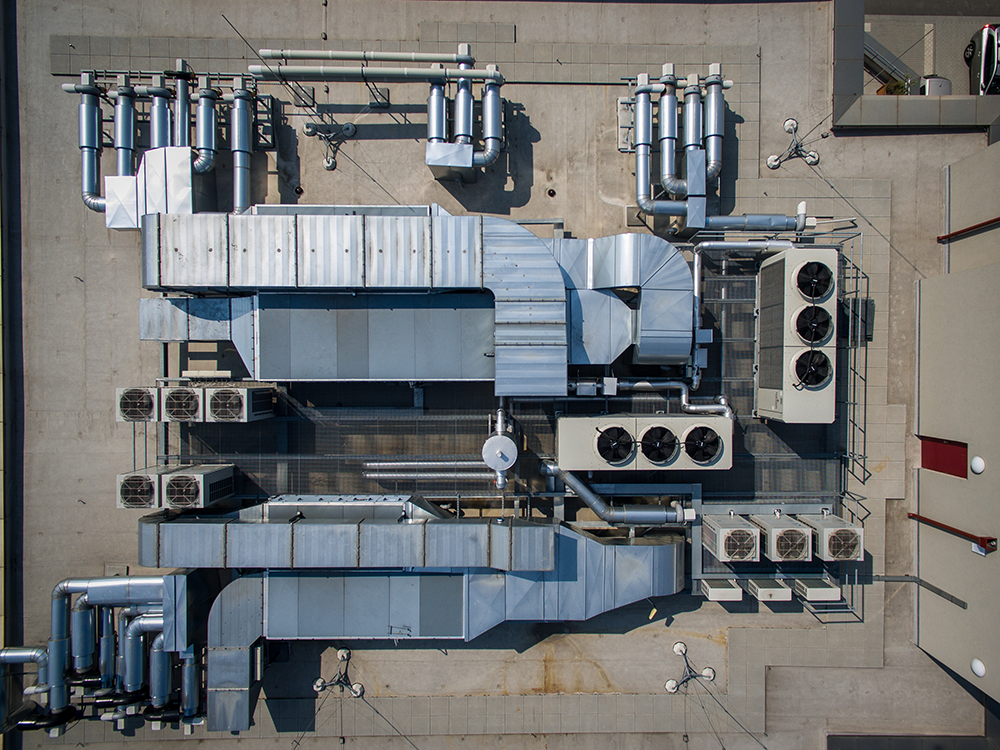
A shift is underway in how asset-intensive organizations compete. For years, the advantage went to whoever owned the most capacity — the most buildings, equipment, or floor space. Increasingly it goes to whoever has the best information about those assets: what they cost, how they perform, when they will fail, and what each one earns. The physical asset is becoming, in effect, a data asset. The question is whether the systems around it have caught up.
Most have not. Facilities teams still integrate people with place largely by hand, chasing work orders across apps and email while lease accounting lives in a spreadsheet and asset records scatter across locations. That model held when reporting standards were looser and portfolios smaller. Under IFRS 16 and at scale, it breaks.
Acumatica with Dimensions for Facilities and Assets is built for mid-sized to large facility and asset-intensive companies that need to treat the whole asset lifecycle as one connected system — from requisition and bidding through commissioning, operations, maintenance and overhaul, to disposal. Its capabilities reflect where the discipline is heading:
• Facility Management — real-time oversight of work orders like renovations, permits, violations, and repairs, plus short-term rental scheduling and end-to-end property management contracts with owner remittance.
• Lease Management (IFRS 16) — create, manage, and renew leases with rent charges, deposits, and late fees, and support mall operations with percentage-rent billing tied to tenant sales.
• Asset Hierarchy & Lifecycle — structure parent-child relationships across equipment and components to keep high-quality asset data across every location.
• Work Order & Maintenance Management — schedule the right technician at the right time with field access, using native field service for advanced dispatch and reporting.
Compliance is the near-term driver — percentage-rent reconciliation and IFRS 16 leave little room for manual error — but the longer arc is predictive. Once asset hierarchy, work orders, and maintenance history share a platform, the same data that satisfies the auditor starts to reveal which assets are worth keeping, which are draining margin, and where the next failure is likely. Organizations that put that foundation in now will be the ones acting on their assets while others are still cataloguing them.

